
Solana Foundation launched Pay.sh in collaboration with Google Cloud, introducing an open-source gateway that enables AI agents to pay for supported APIs using stablecoins on Solana.
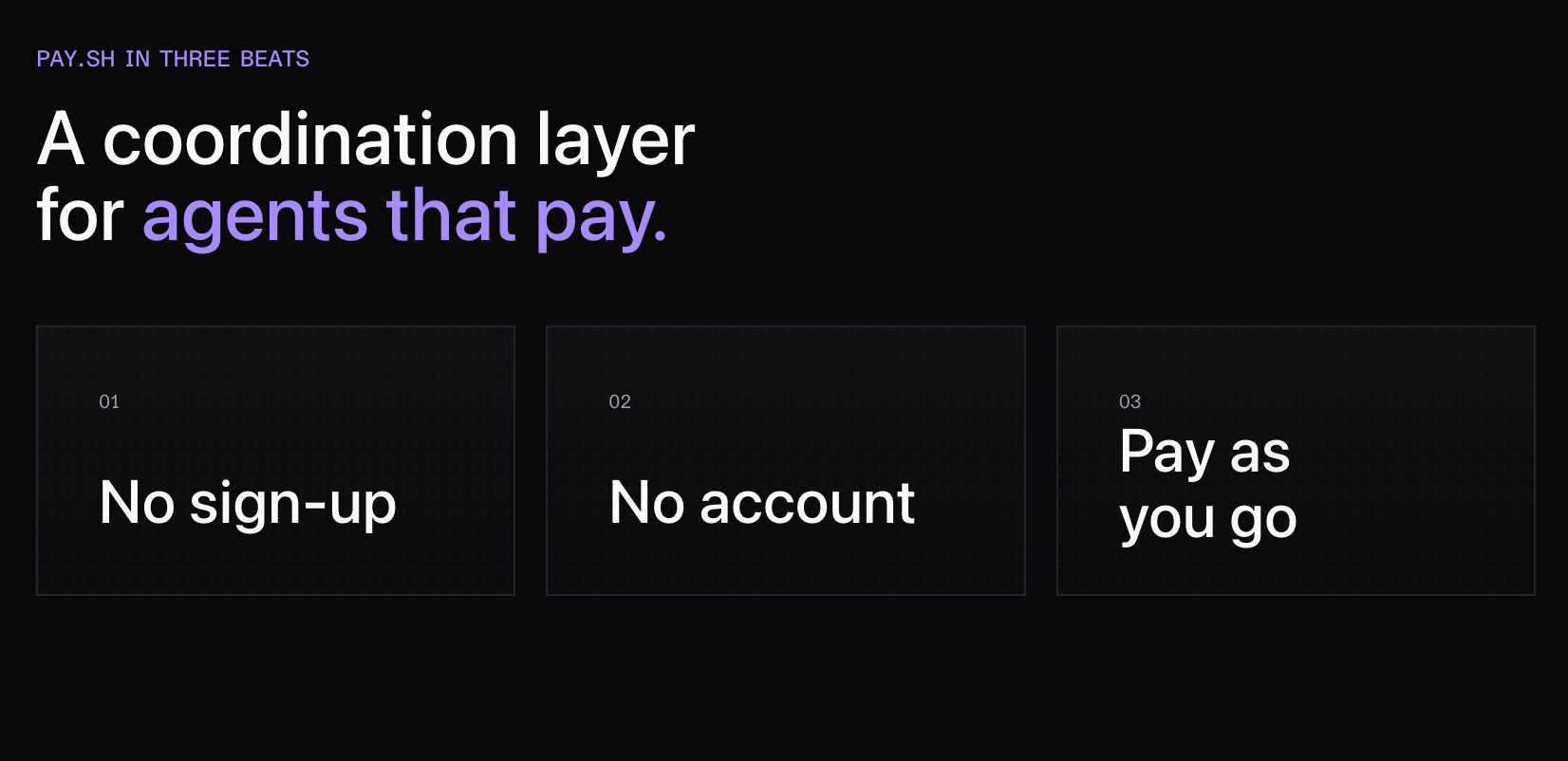
The platform is intended to simplify how autonomous software accesses paid digital services. Instead of creating separate accounts, maintaining billing relationships or managing API credentials for every provider, agents can connect a funded Solana wallet, receive pricing for a request and authorize payment through a single workflow.
The initial release includes access to supported Google Cloud services such as Gemini, BigQuery, Bigtable, and Cloud Run alongside community-provided APIs covering AI, communications, commerce, research, and Solana infrastructure.
How Pay.sh Works
Pay.sh is an open-source payment layer for HTTP-based applications and AI agents. It supports x402 and the Machine Payments Protocol (MPP), allowing applications to complete payments before retrying requests for protected resources.
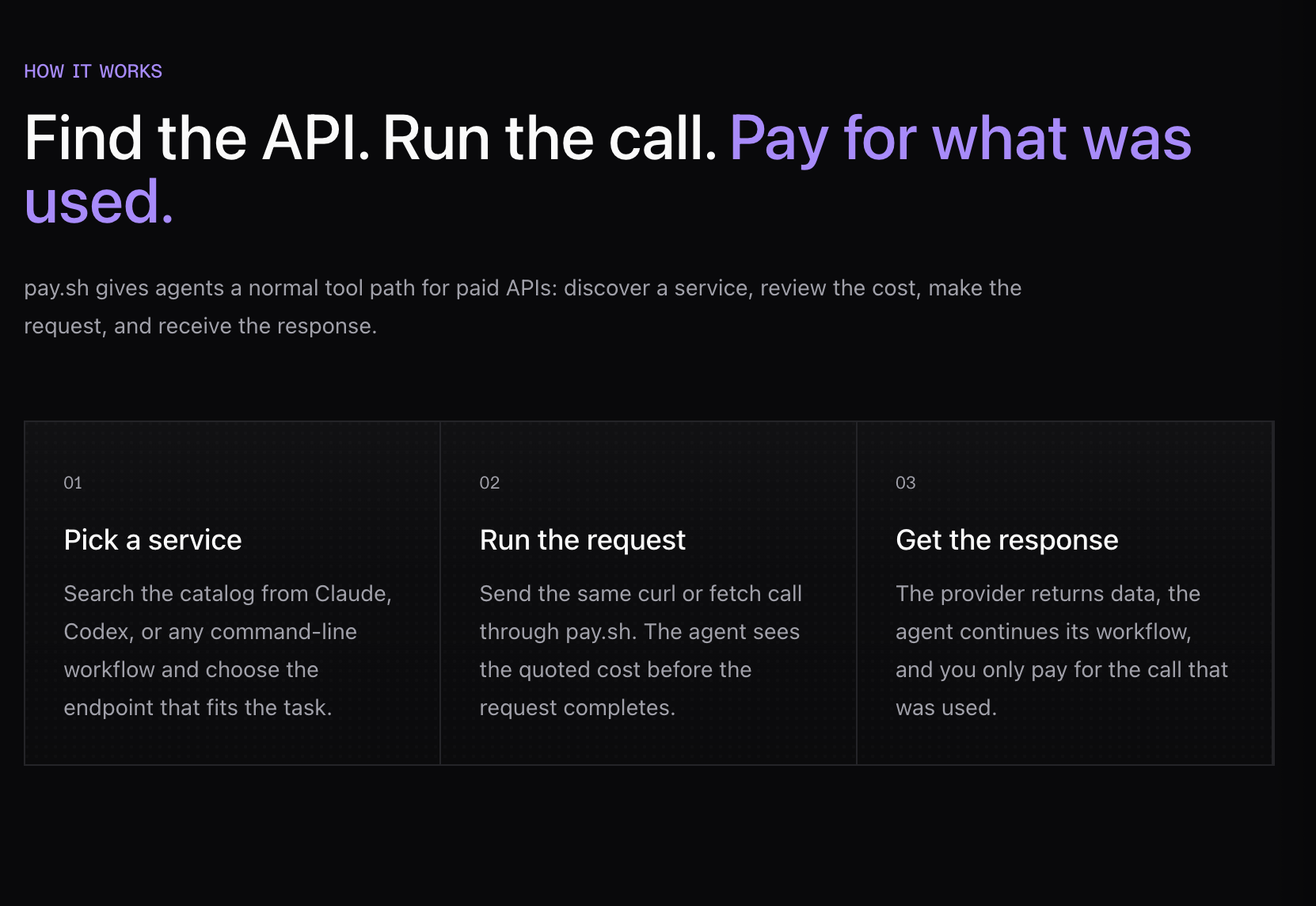
A developer or user first connects and funds a Solana wallet. When an application encounters a supported payment request, Pay.sh prepares the transaction locally and requests approval through the configured wallet before completing the API call.
After payment is authorized and verified, the gateway forwards the request to the underlying provider and returns the response.
The gateway applies payment verification, quotas and access controls before forwarding supported requests. The system allows developers to access supported services without establishing separate billing relationships or managing API credentials for every provider.
Payments are settled using stablecoins on Solana. The project's primary payment model is pay-per-request, although its broader payment tooling also supports recurring payment arrangements when providers choose to offer them.
What is Pay.sh Solving?
Most commercial APIs require developers to create accounts, configure payment methods, and maintain ongoing billing relationships before accessing paid services.
Pay.sh applies stablecoin payments to machine-to-machine API access through a metered payment model. Instead of establishing separate commercial relationships with each provider, developers can use a common payment layer for supported services and pay only for the requests they make.
x402 and Machine Payments Protocol
Pay.sh supports x402 and the Machine Payments Protocol, two open protocols designed for programmatic payments over HTTP.
x402 extends the HTTP 402 "Payment Required" status code by allowing servers to return payment instructions when a protected resource is requested. Once payment has been authorized, the client retries the request and receives the requested resource.
Coinbase developed x402 before contributing it to the Linux Foundation. In July 2026, the Linux Foundation announced the operational launch of the x402 Foundation, which oversees development of the protocol as an open standard.
MPP was introduced by Stripe and Tempo in March 2026 as an open protocol for machine-to-machine payments. It supports one-time transactions, recurring payments, and other programmable payment models for APIs and online services.
Supporting both protocols enables Pay.sh to interact with multiple payment workflows through a common interface.
Available APIs
The initial Pay.sh release includes supported Google Cloud services alongside APIs provided by community partners. A current list can be found on pay.sh.
The announcement identifies Gemini, BigQuery, Bigtable, Cloud Run, and the Gemini Enterprise Agent Platform among the supported Google Cloud services available through the gateway.
PayAI, Crossmint, Merit Systems, Corbits, MoonPay, Sponge Wallet, ATXP, and Tektonic Company have all also been named as launch partners contributing community-provided APIs.
Building the Payment Layer for the Agent Economy
By giving software a standardized way to discover pricing, authorize stablecoin payments, and access APIs on demand, Solana Foundation and Google Cloud are building infrastructure for a world where machines can transact for digital services without relying on the account and billing systems designed for human users.
As AI agents become capable of independently consuming compute, data, models, and other services, machine-to-machine payments will increasingly become a fundamental piece of internet infrastructure, and Pay.sh puts Solana directly into that emerging stack.